Photography has the power to preserve a fleeting moment, but the most memorable images do something more—they reveal the character of a place and the people who call it home. Bangladesh offers photographers that rare opportunity. While much of Asia has become familiar through countless travel photographs, Bangladesh remains refreshingly authentic, where life unfolds naturally in bustling river ports, centuries-old neighbourhoods, tea-covered hills, and vibrant cultural festivals. It is a country that rewards curiosity, patience, and the willingness to look beyond the obvious.
Our Photography Workshop in Bangladesh is created for photographers who want to move beyond simply taking beautiful pictures. Guided by experienced international photojournalists and supported by local photography experts, this immersive experience combines travel, field assignments, and professional mentoring to help you create photographs with depth, context, and purpose. Rather than following a checklist of famous landmarks, you’ll explore places where genuine stories unfold every day—whether it’s the organised chaos of Old Dhaka, the quiet rhythm of life in a tea garden, or the colourful traditions of a local festival.
Throughout the workshop, you’ll develop practical skills in documentary photography, street photography, portraiture, and visual storytelling while receiving personalised feedback in the field. More importantly, you’ll learn how to slow down, observe with intention, and recognise the moments that many travellers simply pass by. By the end of your journey, you won’t just return with a collection of striking photographs—you’ll return with a portfolio that reflects the people, culture, and spirit of Bangladesh.
Why Join a Photography Workshop in Bangladesh?
Bangladesh offers photographers something that has become increasingly difficult to find in many of Asia’s popular travel destinations—authenticity. Daily life unfolds naturally, from the narrow streets of Old Dhaka and the tea gardens of Sreemangal to riverside communities where boats remain the primary mode of transport. Rather than photographing places shaped by tourism, you’ll have the opportunity to document real communities, living traditions, and everyday moments that tell compelling visual stories.
This diversity makes Bangladesh an exceptional outdoor classroom for photographers. Within a single journey, you can practice street photography in historic neighborhoods, capture environmental portraits in rural villages, photograph colorful religious festivals, and explore the landscapes and wildlife of the Sundarbans. Each destination presents different lighting conditions, subjects, and creative challenges, helping you develop technical skills while learning to adapt your approach to different environments.
Photographing these scenes successfully requires more than knowing how to use your camera. It demands observation, patience, cultural awareness, and the ability to recognize meaningful moments as they happen. That’s where a guided photography workshop adds real value. Working alongside international photojournalists allows you to receive practical feedback in the field, refine your visual storytelling, and gain techniques that are difficult to learn from online tutorials or solo travel.
Learn from International Photojournalists
The difference between taking a good photograph and telling a compelling visual story often comes down to experience. International photojournalists spend years documenting people, cultures, and events in challenging environments where moments cannot be recreated or repeated. They learn to anticipate emotion, work respectfully with local communities, adapt to changing conditions, and build narratives that go beyond a single frame.
During this photography workshop in Bangladesh, you’ll benefit from that real-world experience through practical, hands-on mentoring in the field. Instead of spending hours in a classroom, you’ll learn while photographing busy streets, cultural festivals, riverside communities, and rural landscapes. Every location becomes an opportunity to discuss composition, light, timing, storytelling, and the decisions that transform a technically correct image into a memorable photograph.
Learning in the field also means receiving immediate feedback. Your mentors will help you refine your approach, suggest alternative compositions, identify missed opportunities, and explain how small adjustments in perspective or timing can dramatically improve an image. These conversations often become the most valuable part of the workshop because they address the challenges you’re facing in real time.
Beyond technical skills, the workshop places a strong emphasis on ethical photography. Respecting local customs, approaching people with sensitivity, and understanding the context behind the images you create are essential principles of responsible documentary photography. By developing these habits alongside experienced photojournalists, you’ll become a more confident and thoughtful photographer wherever your future travels take you.
What You’ll Learn During the Workshop
Every photographer reaches a point where improving no longer depends on buying a better camera. It comes from learning to see differently. This workshop is designed to help you develop that way of seeing by combining practical field experience with personalised guidance from international photojournalists. Rather than following a rigid classroom syllabus, every lesson is connected to the places you visit and the situations you encounter throughout the journey.
Documentary Storytelling
Strong documentary photography is built around stories, not individual images. Throughout the workshop, you’ll learn how to photograph a complete narrative by recognising establishing scenes, environmental portraits, close-up details, and decisive moments that work together. Instead of returning home with hundreds of disconnected photographs, you’ll develop the skills to create a photo essay that captures the atmosphere and character of a place.
Street Photography
Bangladesh offers some of the most dynamic street photography opportunities in South Asia. From the historic neighbourhoods of Old Dhaka to bustling local markets and riverside terminals, you’ll learn how to work confidently in busy environments without interrupting everyday life. The workshop covers anticipating moments, composing layered scenes, working with available light, and photographing people respectfully in public spaces.
Portrait Photography
A compelling portrait is about more than facial expression. It reveals something about a person’s life, work, or community. During the workshop, you’ll practise creating environmental portraits that place your subject within a meaningful setting, whether that’s a craft workshop, tea garden, fishing village, or market. You’ll also learn practical techniques for approaching people, building trust, and photographing with sensitivity across different cultural settings.
Festival and Cultural Photography
Bangladesh’s religious festivals and cultural celebrations provide exceptional opportunities to photograph colour, movement, and tradition. Depending on the workshop schedule, participants may photograph festivals such as Durga Puja, Rash Festival, or Pohela Boishakh. You’ll learn how to work in changing light, anticipate key moments, and balance wide scene-setting images with intimate documentary details that bring the story to life.
Editing and Image Selection
Taking the photograph is only part of the storytelling process. Through guided image review sessions, you’ll learn how to edit with purpose—selecting photographs that strengthen your story rather than simply showcasing your favourite shots. Your mentors will provide constructive feedback on composition, sequencing, and visual impact, helping you understand why some images communicate more effectively than others.
A Typical Day During the Workshop
Every workshop day is designed around the best light, local activities, and photographic opportunities. While the itinerary changes depending on the destination, the learning process follows a consistent structure that combines field practice with professional feedback.
Sunrise Field Session
Start the day photographing during the golden hour when streets, rivers, tea gardens, and villages offer their best natural light. Your mentor will guide you on composition, exposure, and identifying storytelling opportunities.
Mid-Morning Review
After breakfast, review selected images from the morning session. Learn what worked, what didn’t, and how small changes in timing or perspective can improve your photographs.
Afternoon Assignment
Spend the afternoon photographing a new location such as a traditional market, cultural site, or artisan community. Each assignment focuses on a specific skill, including portrait photography, documentary storytelling, or street photography.
Evening Image Critique
End the day with an informal review session where mentors provide feedback on your strongest images and help you prepare for the following day’s shoot.
Expect More Than Just Great Photographs
While improving your photography is the primary goal, many participants say the most memorable part of the workshop is the opportunity to experience Bangladesh through local perspectives. Conversations with artisans, tea workers, fishermen, market vendors, and community members often provide the context behind the photographs, turning a beautiful image into a meaningful story.
It’s this combination of immersive travel, practical learning, and cultural exchange that makes the workshop more than a photography tour. It becomes an experience that changes not only the way you photograph, but also the way you travel.
Photography Destinations You’ll Explore
One of the biggest advantages of joining a photography workshop in Bangladesh is the variety of subjects you can photograph within a single journey. Rather than focusing on one location or photography style, the workshop is designed to expose you to diverse environments that challenge your creativity and strengthen your storytelling skills.
Old Dhaka – Street & Documentary Photography
Historic neighbourhoods, bustling markets, colourful rickshaws, and riverside life make Old Dhaka one of the country’s most rewarding locations for street photography. You’ll practise working in dynamic environments while learning how to anticipate moments, photograph respectfully, and build visual narratives from everyday life.
Sreemangal – Landscape & Environmental Portraits
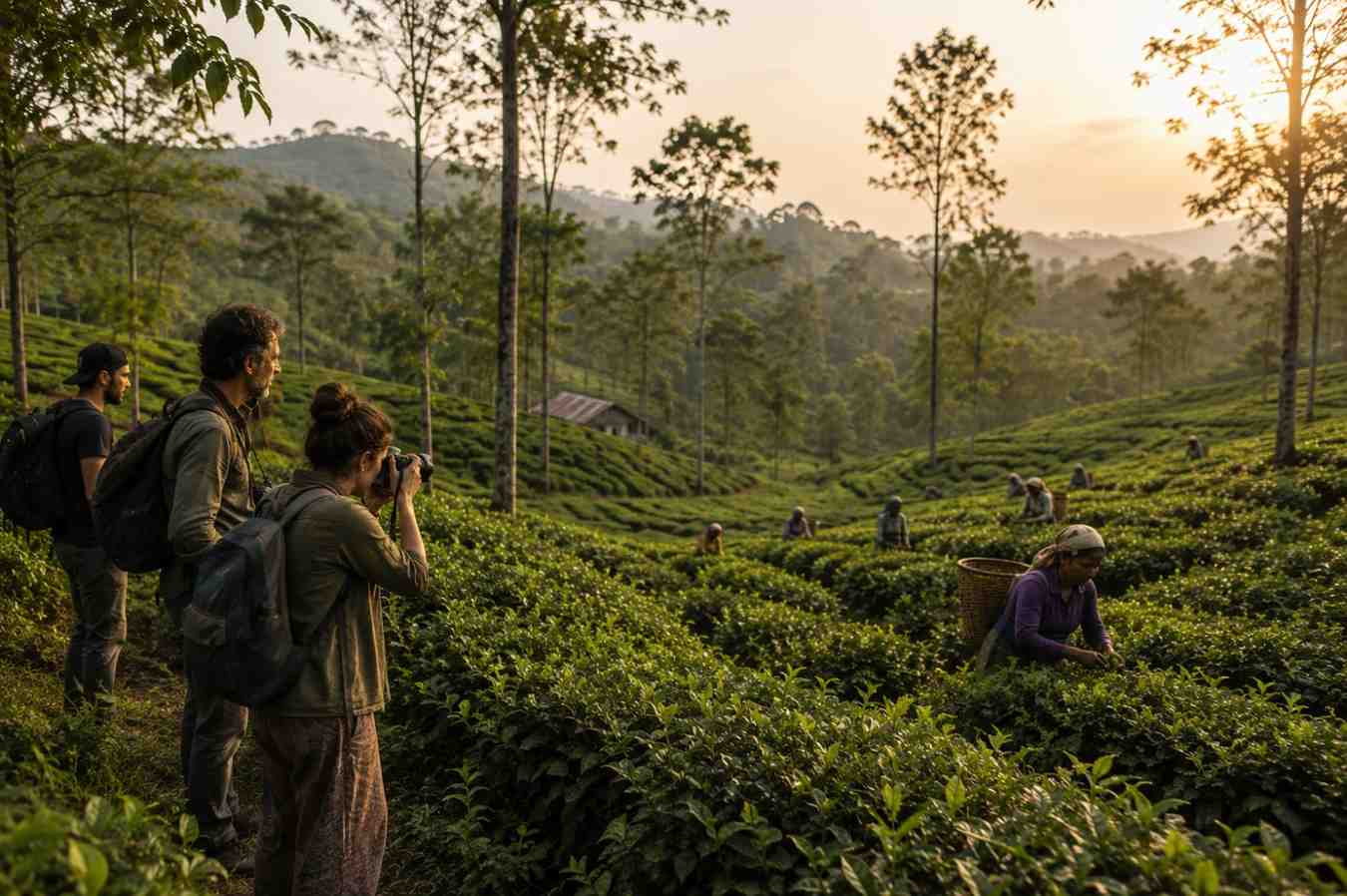
Known as the tea capital of Bangladesh, Sreemangal offers a completely different pace. Rolling tea gardens, misty mornings, and rural communities provide ideal conditions for landscape photography, environmental portraits, and storytelling through natural light.
Cultural Festivals – Colour, Movement & Tradition
Depending on the workshop schedule, participants may photograph festivals such as Pohela Boishakh, Durga Puja, or Rash Festival. These celebrations provide opportunities to capture vibrant traditions, expressive portraits, and moments of genuine emotion while learning to work confidently in changing light and busy environments.
The Sundarbans – Wildlife & Nature Photography
The Sundarbans offers a unique opportunity to photograph mangrove forests, waterways, birdlife, and the landscapes of the world’s largest delta. Guided sessions focus on composition, patience, and ethical wildlife photography in one of Bangladesh’s most remarkable natural environments.
Rural Bangladesh – Everyday Life
Some of the workshop’s strongest photographs are often made away from well-known attractions. Visits to farming communities, fishing villages, and artisan workshops allow you to document everyday life, traditional occupations, and the human stories that define Bangladesh beyond its cities.
Every itinerary is carefully planned to balance iconic locations with lesser-known places, giving you a diverse portfolio while encouraging meaningful interactions with local communities.
Who Is This Photography Workshop For?
You don’t need years of professional experience—or the latest camera equipment—to get the most from this workshop. What matters most is your curiosity, willingness to learn, and interest in telling meaningful stories through photography.
Whether you’re travelling to Bangladesh specifically for photography or adding a creative experience to a broader trip, the workshop is designed to support photographers at different stages of their journey.
Beginner Photographers
If you’ve recently moved beyond automatic mode or want to understand your camera better, this workshop provides practical guidance in real shooting environments. You’ll build confidence while learning composition, exposure, and storytelling techniques that are difficult to develop through online tutorials alone.
Enthusiast & Hobbyist Photographers
If you already enjoy photography but feel your images lack consistency or impact, the workshop will help refine your creative approach. Through field assignments and personalised feedback, you’ll learn how to create stronger visual stories instead of relying on individual standout images.
Professional Photographers
Experienced photographers often join to explore Bangladesh from a local perspective, discover new documentary opportunities, and exchange ideas with fellow photographers. The workshop offers access to diverse locations and cultural experiences while providing the flexibility to pursue personal projects.
Content Creators & Travel Storytellers
If you create content for a blog, magazine, YouTube channel, or social media, you’ll gain practical techniques for producing more authentic and engaging visual content. The focus extends beyond capturing attractive images to creating stories that resonate with your audience.
Do I Need Professional Camera Equipment?
No. A professional camera can be helpful, but it isn’t essential.
Many participants join with entry-level DSLRs, mirrorless cameras, or advanced compact cameras. The workshop focuses on developing observation, composition, and storytelling skills—qualities that have a far greater impact on your photography than expensive equipment.
If you’re unsure whether your current gear is suitable, we’re happy to provide recommendations before you book.
Best Time to Join a Photography Workshop in Bangladesh
Bangladesh offers rewarding photography opportunities throughout the year, but the experience changes significantly with the seasons. The best time to join depends on the subjects you want to photograph and the type of portfolio you hope to build.
October to February – The Best All-Round Season
Cooler temperatures, lower humidity, and clearer skies make this the most popular time for photography workshops. Comfortable weather allows for longer shooting sessions, while the softer winter light is ideal for street photography, landscapes, and environmental portraits.
Many of Bangladesh’s cultural festivals also take place during this period, creating opportunities to photograph traditional celebrations, local markets, and everyday life at its most vibrant.
Best for:
- Street photography
- Cultural festivals
- Documentary photography
- Portraits
- Landscape photography
March to May – Rural Life & Everyday Stories
Spring and early summer bring warmer temperatures, but they’re also a rewarding time for photographers interested in rural Bangladesh. Daily life continues at a slower pace outside the cities, offering excellent opportunities for environmental portraits, village life, and agricultural landscapes.
Morning and late afternoon remain the most productive times to photograph.
Best for:
- Rural communities
- Environmental portraits
- Tea gardens
- Local markets
June to September – Monsoon Photography
The monsoon transforms Bangladesh into a landscape of dramatic skies, lush greenery, and reflective waterways. While rainfall requires more planning, it also creates unique photographic conditions that many documentary photographers actively seek.
Rain showers often produce soft, diffused light that’s ideal for portraits and storytelling.
Best for:
- Rainy street scenes
- River landscapes
- Documentary projects
- Atmospheric photography
Choosing the Right Workshop Season
If it’s your first visit to Bangladesh, we generally recommend joining a workshop between October and February for the most comfortable travel conditions and the widest variety of photographic opportunities.
However, photographers with a specific interest in festivals, wildlife, rural life, or monsoon landscapes may find another season better suited to their creative goals. If you’re unsure when to travel, we’re happy to recommend the best workshop dates based on the type of photography you’d like to pursue.
What Camera Gear Should You Bring?
You don’t need the latest professional camera to join this photography workshop. Whether you shoot with a mirrorless camera, DSLR, or a high-end compact camera, the focus is on developing your photographic eye rather than your equipment collection.
A versatile kit is often more valuable than carrying multiple heavy lenses. Since you’ll photograph a wide range of subjects—from busy streets and environmental portraits to landscapes and festivals—packing light allows you to move comfortably and react quickly to changing situations.
Recommended Camera Kit
For most participants, the following setup is more than enough:
- Mirrorless camera or DSLR
- Standard zoom lens (24–70mm or equivalent)
- Telephoto lens (70–200mm or equivalent) for portraits and distant subjects
- Extra batteries and memory cards
- Lightweight tripod (optional)
- Weather protection for your camera during the monsoon season
If you prefer travelling light, a single all-purpose zoom lens can comfortably cover most workshop activities.
What About Smartphones?
Modern smartphones are capable of producing excellent travel photographs, particularly in good lighting conditions. While you’ll benefit most from a dedicated camera, many of the storytelling techniques covered during the workshop—such as composition, timing, and visual narrative—apply regardless of the device you’re using.
Should You Bring a Drone?
Drone photography in Bangladesh is subject to local regulations, and flying is restricted in many locations, particularly near airports, government buildings, and protected areas. If you plan to travel with a drone, please contact us before the workshop so we can advise you on current regulations and whether it will be suitable for your itinerary.
Pack for Comfort, Not Weight
Photography days often involve several hours of walking through markets, villages, and historic neighbourhoods. A comfortable backpack, lightweight clothing, comfortable walking shoes, a reusable water bottle, and sun protection will make a much bigger difference to your experience than carrying every lens you own.
Remember, the goal of this workshop isn’t to test your equipment—it’s to help you create stronger photographs with the gear you already have.
Frequently Asked Questions
Do I need to be a professional photographer to join?
No. The workshop is suitable for photographers of all experience levels. Whether you’re learning manual camera settings for the first time or building a professional portfolio, the workshop is adapted to your skill level. Small group sizes allow mentors to provide personalised guidance throughout the experience.
What’s included in the photography workshop?
While inclusions vary depending on the itinerary, workshops typically include photography mentoring, guided field sessions, transportation during the workshop, accommodation, scheduled image review sessions, and local support. A detailed itinerary with all inclusions and exclusions is shared before booking.
Can I join as a solo traveller?
Absolutely. Many participants travel to Bangladesh on their own. Photography workshops naturally create a collaborative environment where participants share ideas, photograph together, and receive feedback throughout the journey.
What photography genres are covered?
The workshop combines several photography styles, including:
- Documentary photography
- Street photography
- Portrait photography
- Travel photography
- Cultural photography
- Festival photography
- Wildlife and landscape photography (depending on the itinerary)
Each destination offers different creative opportunities, allowing you to build a diverse portfolio during the workshop.
Will I receive one-to-one feedback?
Yes. Personal feedback is an important part of the learning experience. Your mentors will review selected images during the workshop, discuss composition and storytelling, and suggest practical ways to strengthen your photographs while you’re still in the field.
Is Bangladesh safe for photography?
Bangladesh is a welcoming destination, and many locations included in the workshop are regularly visited by both local and international photographers. Like any international trip, it’s important to remain aware of your surroundings, respect local customs, and follow your guide’s advice. Before travelling, we also recommend checking the latest travel advisories issued by your government’s foreign affairs department.
Can I customise a private photography workshop?
Yes. Private workshops can be tailored to your interests, preferred travel dates, photography style, and experience level. Whether your focus is documentary photography, wildlife, cultural festivals, or street photography, we can design an itinerary that matches your creative goals.
How do I book a photography workshop in Bangladesh?
Simply contact the Bangladesh Explore team with your preferred travel dates, photography experience, and any special interests. We’ll recommend the most suitable workshop or create a customised itinerary based on your requirements.
Ready to Photograph Bangladesh Differently?
The most memorable travel photographs aren’t created by visiting more places—they’re created by seeing familiar places in a new way.
Our Photography Workshop in Bangladesh gives you the opportunity to explore one of South Asia’s most visually rewarding destinations alongside experienced international photojournalists who understand both the technical and human side of photography. Through guided field sessions, constructive feedback, and immersive cultural experiences, you’ll develop the confidence to tell stronger visual stories wherever your next journey takes you.
Whether you’re building your first travel portfolio or expanding years of photographic experience, Bangladesh offers an extraordinary classroom—and we’d be delighted to help you experience it through the lens.
Ready to join the workshop?
Get in touch to discuss upcoming dates, private workshops, or a tailor-made photography itinerary designed around your interests.